
Customers rarely wake up wanting the thing you sell. They want the safer, easier, calmer or more successful life your thing helps create, so your marketing should name that deeper problem as clearly as it names the product.
The Surface Problem Is Only the Beginning
A mechanic does not simply solve car trouble. The real job is helping a parent feel safe driving the kids to school, helping a commuter avoid being stranded before an important meeting and giving a family confidence before a long road trip.
A coffee shop does not merely solve a shortage of caffeine. It helps someone feel ready for the day, creates a familiar place to meet a friend and gives a remote worker a change of scenery when the walls at home start closing in.
Customers Buy the Outcome After the Outcome
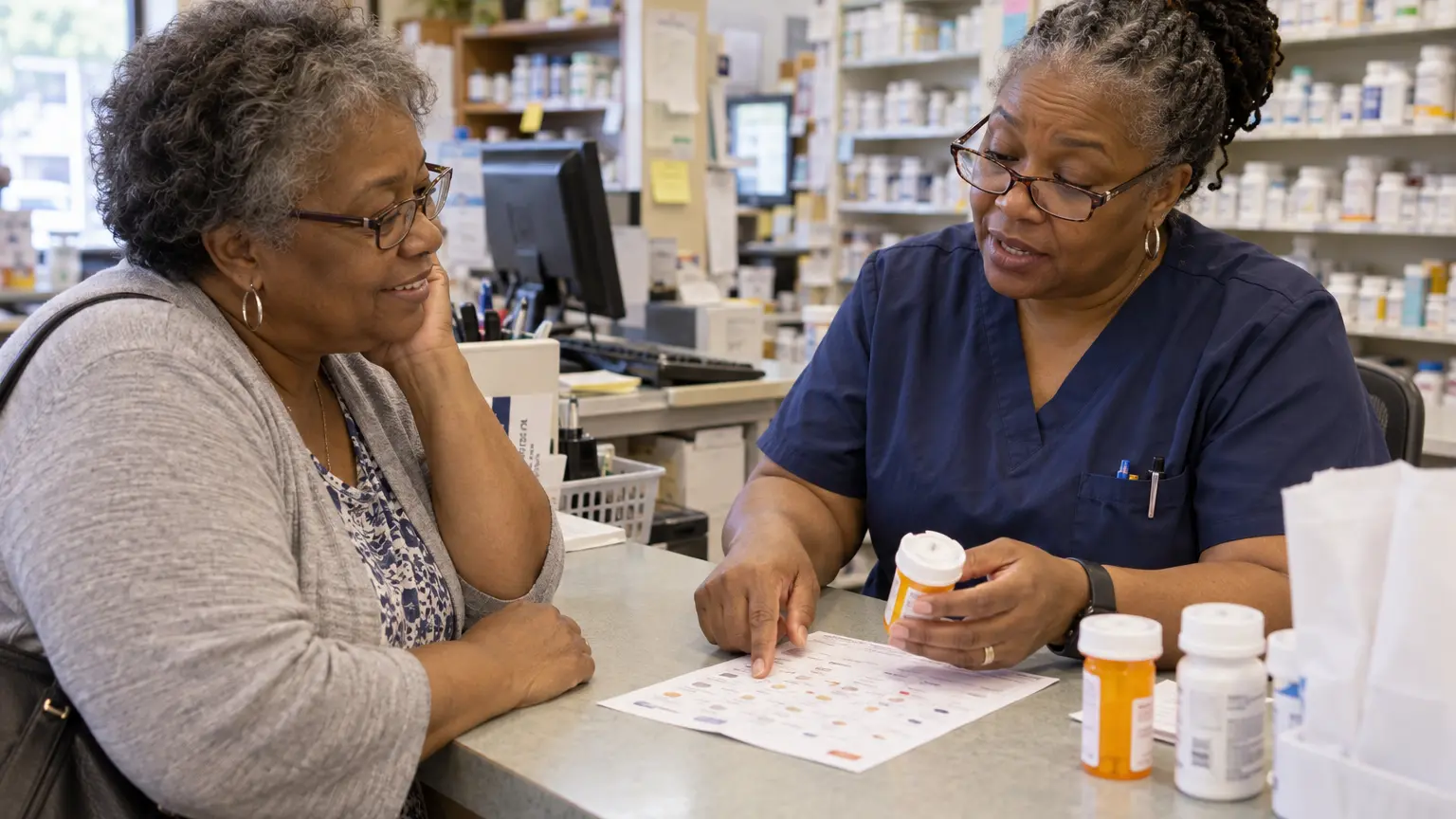
Every purchase creates an immediate result, but the most persuasive marketing looks one step beyond it. The customer does not just want a filled prescription; she wants to understand what to take, when to take it and how to get through the week without worrying that she missed something important.
An independent pharmacy can talk about refills, delivery and medication packaging, but those are mechanisms. The deeper problems are confusion, missed doses, transportation hassles and the anxiety of managing several prescriptions for yourself or someone you love.
Listen for What Was at Risk
The deeper problem often appears when you ask what might have happened without the purchase. A professional home organizer is not selling labeled bins; she may be helping a family stop losing permission slips, reduce tense mornings and reclaim a room that has become unusable.
A payroll company is not selling calculations and direct deposits either. It is helping an owner pay people correctly, protect trust with the team and stop spending Friday night wondering whether one wrong setting will create a Monday morning mess.
Ask Better Questions After the Sale
Instead of asking only whether a customer was satisfied, ask what became easier, what stopped being stressful and what they can do now that they could not do before. Those answers give you customer language that is far more useful than a generic compliment.
You can also ask what almost kept them from buying and what finally made the decision feel safe. The first answer reveals the fear or friction, while the second reveals the proof your future customers may need to see.
Put the Real Problem Into Your Marketing
Start with the deeper problem, then show how your product or service solves it. A home organizer might say, “We help busy families create calmer mornings by giving everyday items a home,” then explain the sorting, labeling and storage process that makes the promise believable.
A payroll company might say, “We help small-business owners pay their people accurately and on time without spending the weekend inside a spreadsheet.” That statement still needs proof, but at least the customer immediately understands the value.
Do Not Inflate the Promise
Deeper does not mean dramatic. A candle maker does not need to claim that a scent will transform someone’s life, but it can honestly describe helping a customer make an ordinary evening feel calmer, welcome guests into a warm home or give a thoughtful gift without overthinking it.
The goal is not to invent an emotional story around everything you sell. The goal is to recognize the practical and emotional consequences that are already part of the customer’s decision.
Sell the Change, Then Prove You Can Create It
Your product, process and expertise still matter because they are the proof behind the outcome. Marketing becomes stronger when the customer can see both the change they want and the credible path your business uses to deliver it.
When your message feels flat, look beyond the item on the invoice. The real marketing opportunity is often hiding in what the customer gets to feel, avoid, protect or accomplish after the work is done.