
Do not defend a higher price with vague claims about quality or service. Explain the specific difference the customer receives, connect it to the problem they are trying to solve and give enough proof for the price to feel sensible.
Price Is Easy to Compare; Value Needs Translation
A big-box store can often buy, stock and advertise at a scale a small business cannot match. Pretending otherwise wastes everyone’s time, but lower shelf price is only one part of the customer’s decision.
Your job is to explain what the customer gets beyond the item itself. That might include the right fit the first time, guidance from someone who knows the work, fewer costly mistakes, customization, faster help or a human who still answers after the sale.
Start With the Problem, Not Your Overhead
Customers do not need a tour of your rent, payroll and insurance expenses. They need to understand how your offer solves their problem differently and why that difference matters in the life they are actually living.
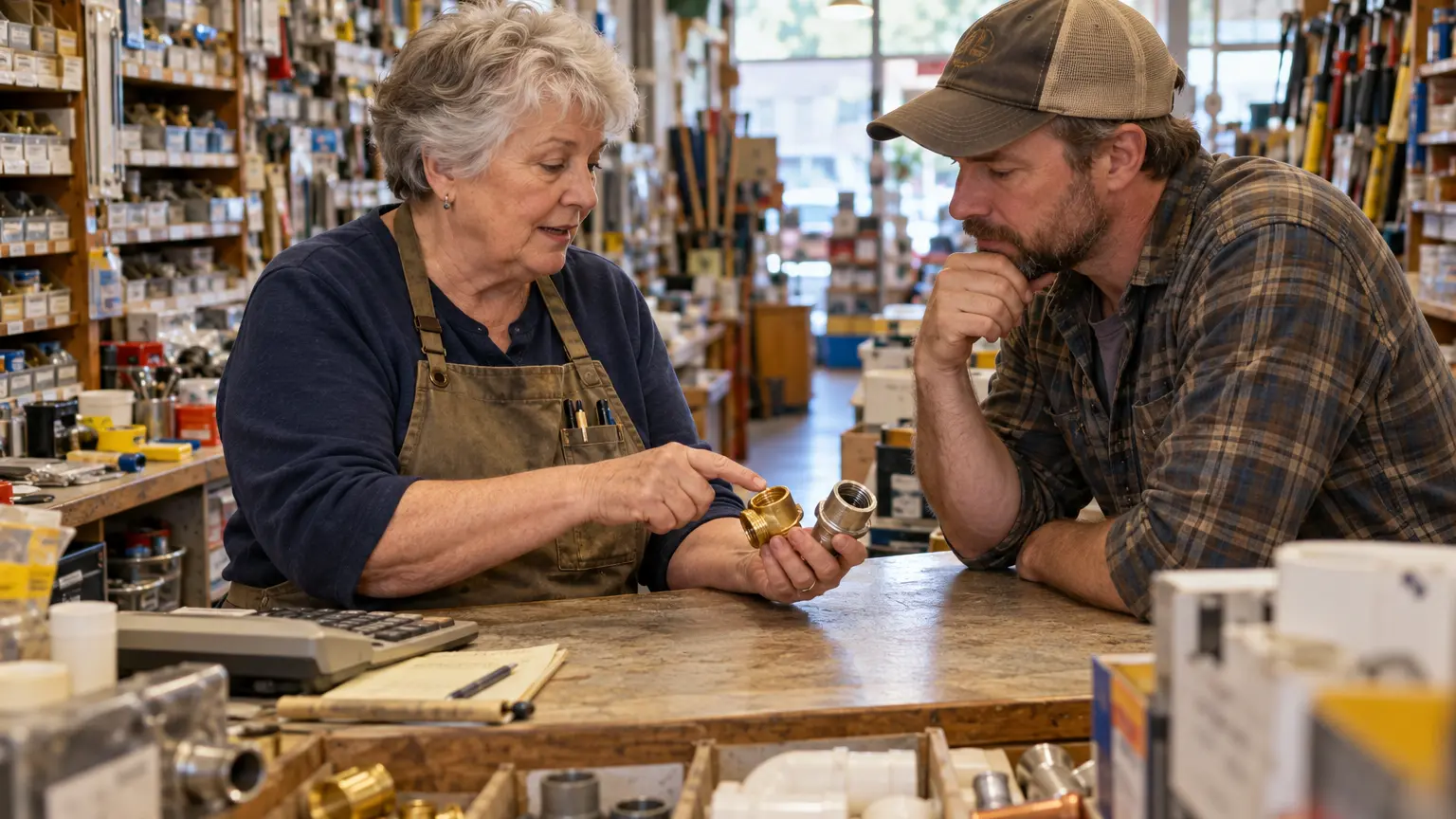
An independent hardware store is not just selling a slightly more expensive plumbing part. It may save a homeowner a second trip by asking the right questions, noticing that two fittings are not compatible and explaining how to finish the repair without turning the basement into an indoor pool.
Make “Better Service” Specific
“We provide better service” sounds exactly like “we care about our customers,” which is to say it sounds pleasant and proves almost nothing. Name the moments when your service changes the outcome.
A bicycle shop can explain that it checks fit, riding position and intended use before recommending a bike, then provides an adjustment after the customer has ridden it. The value is not friendliness; it is comfort, confidence and a lower chance of buying the wrong bike because it looked good on a display.
Show the Work Customers Cannot See
Some price differences come from materials, preparation, skill or time that disappear inside the finished result. A custom picture framer can show how archival materials protect artwork, why certain glass reduces damaging exposure and how the frame is built to support the piece safely.
That explanation should be clear, not theatrical. Customers do not need a chemistry class, but they do need enough information to understand why two items that look similar from six feet away may perform very differently over time.
Use Proof Instead of Superlatives
Replace “premium,” “best” and “high quality” with evidence. Show the process, answer common mistakes, explain what is included, share relevant customer stories and make guarantees or service policies easy to find.
Proof reduces the risk behind a higher price. A customer may still choose the less expensive option, but at least the decision will be based on a real comparison instead of the assumption that your business simply charges more for the same thing.
Give Your Team Repeatable Language
Employees should not have to invent a nervous speech every time someone mentions a chain store. Create a short, honest explanation that begins with agreement, names the difference and connects that difference to the customer’s priority.
Try language such as, “You may find a lower shelf price there. Customers choose us when they want help selecting the right solution, a clear explanation of the tradeoffs and support if something does not work as expected.”
Let the Wrong Customer Choose Somewhere Else
Your Exact Right Customers are not people who blindly accept any price. They are people who value the differences your business is built to provide and can see how those differences solve the problem that matters to them.
Do not insult big-box stores or pressure a price-focused shopper. Explain your value calmly, prove it clearly and allow the customer to decide, because confidence is far more persuasive than a defensive apology.